


Adapting A Classic
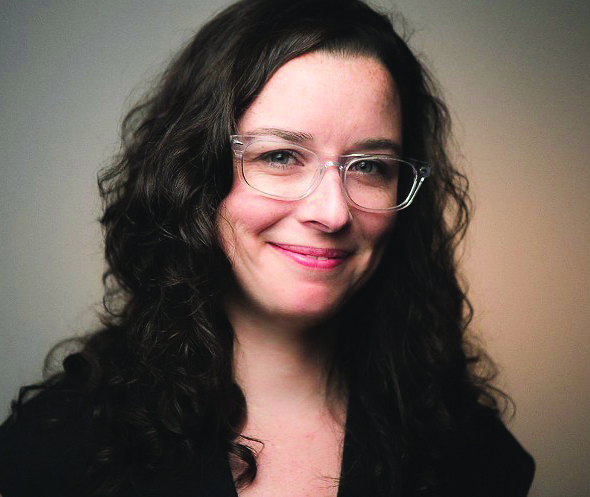
Associate Artistic Director Joanie Schultz will bring Lousia May Alcott’s Little Women to the stage. In this interview, she gives some thoughts on the production and why this classic story has endured through time.
What about this script excites you as a director?
It’s very focused on the humanity of the characters — all while getting into the major plot points of this thick novel. As a director, it’s a challenging piece: it takes a lot of imagination to go all the places they go with them, and to move the play along while also leaving space for these complex women to breathe.
This play is an adaptation of the novel “as it’s being written.” How is this different from other adaptations? What should audiences expect to see?
Lauren Gunderson calls this play Louisa May Alcott’s Little Women for a reason. It unfolds as if Louisa is writing the novel in real time. This makes the piece feel even more immediate and frames it in Louisa’s assignment and intentions with the piece. We see her struggle with her writing, and then we see the result: what her writing does not just for her but her family. And within that, we watch these characters, based on her real family, make choices, wrestle with their dreams, and shape their futures in the moment on stage. Expect a production that blurs time, where past and present exist together, and where these women feel startlingly alive.
Have you always loved Little Women?
I came to it later in life, which maybe makes my connection fresher to it now. I wasn’t one of those kids who wore out their copy, but as an adult, I’ve come to see how radical and deeply human this story is. Louisa May Alcott wrote these women with such compassion and honesty. They aren’t archetypes. They’re contradictions, which makes them relatable and timeless.
Are you an Amy, Beth, Jo or Meg?
Honestly? I’m a little of all of them. I have Jo’s restless creativity, Amy’s ambition, Beth’s quiet sensitivity and Meg’s longing for stability. That’s part of the genius of this story: there’s no single way to be a “Little Woman.” We contain multitudes, and Louisa gives us permission to be all of them at once.
This is a co-production — how do you approach directing a piece for two different cities, spaces and audiences?
It’s truly a gift to collaborate with our friends at Portland Center Stage, where I’ve worked before and where I’ve fallen in love with the people and the artistry of that community. One of the most exciting parts of this production is that our cast is from both communities — three actors from Cincinnati and three from Portland (and one from Kansas City) — which makes this a genuine collaboration between the two cities. The heart of the story stays constant, but each space asks something unique of us. I love that adaptability; it keeps the production alive.
What experiences or feelings do you hope audiences leave the theatre with?
I hope they leave feeling connected — to themselves, to each other, and to the women who came before us. I hope they see their own contradictions reflected onstage and feel permission to dream bigger, to love harder, to live more fully. And I hope, like Louisa intended, they leave believing that art and love are acts of daring… and that both can change the world.