


The American Century Cycle
August Wilson’s American Century Cycle is one of the most ambitious projects in modern theatre: 10
plays charting Black life in the United States, decade by decade, across the 20th century. With lyrical
language and mythic depth, the American Century Cycle traces the dreams, struggles, humor, and
resilience of Black Americans. Not only thought of as Wilson’s magnum opus, but a profound reimagining
of American history itself. All but one of the plays, Ma Rainey’s Black Bottom, are set in Pittsburgh’s Hill
District, where Wilson was born and raised. It was here, amid a community rich in music, art, and
commerce, that Wilson found the people and stories that shaped his work. Below is an overview of all 10
plays in the American Century Cycle, arranged in the order of the decades they depict. With The Piano
Lesson, the Playhouse has produced six of the ten plays.
GEM OF THE OCEAN, 1900s
Set in in 1904, the play features a man whose small crime has had deadly consequences for another man. Feeling guilty, he comes seeking the spiritual healing of Aunt Ester. A recurring character in Wilson’s plays, Ester claims to be 285 years old and is the kind matriarch of her household in Pittsburgh.
JOE TURNER’S COME AND GONE, 1910s
Joe Turner’s Come and Gone is set in an all-Black boarding house in 1911. It explores the lives of each resident of the boarding house, who all have different relationships to the legacy of slavery and to the urban present.
MA RAINEY’S BLACK BOTTOM, 1920s
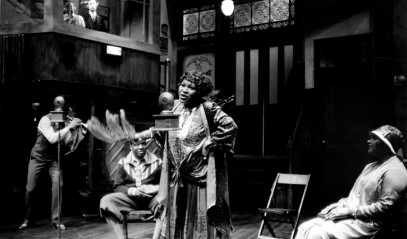
Set in 1927 in a Chicago recording studio (the only play not set in Pittsburgh), Ma Rainey examines racism in the history of Black musicians and white producers. Commanding and uncompromising, Ma Rainey guards her music with iron resolve as her swaggering trumpet player, Levee, dreams of stepping out from her shadow.
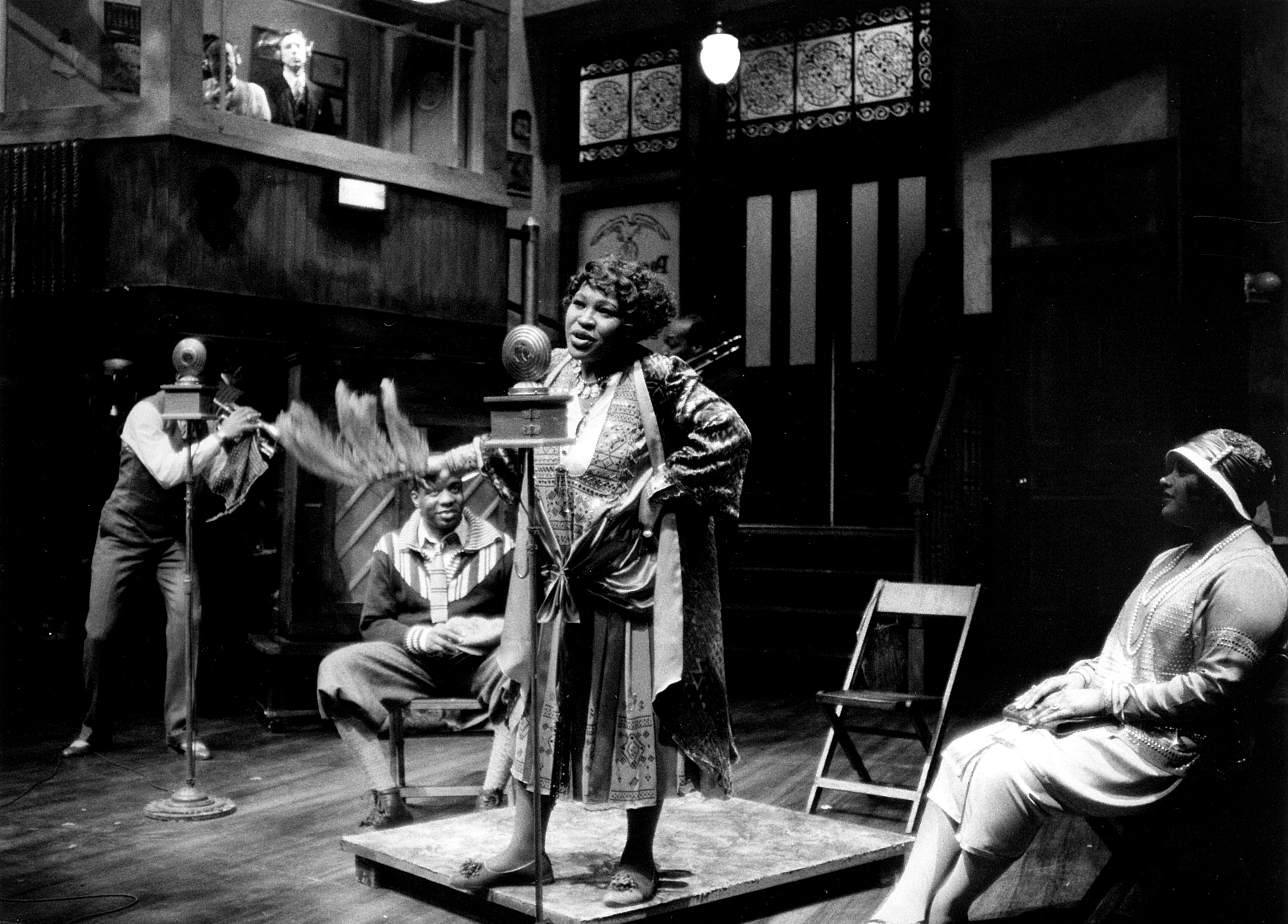 The cast of Ma Rainey's Black Bottom (1988). Photo by Sandy Underwood.
THE PIANO LESSON, 1930s
Set in 1936, Berniece and her brother Boy Willie inherit a family piano carved with the faces and history of their enslaved ancestors. As Boy Willie pushes to sell the piano to buy land; Berniece insists it must be preserved as a testament to their family’s legacy.
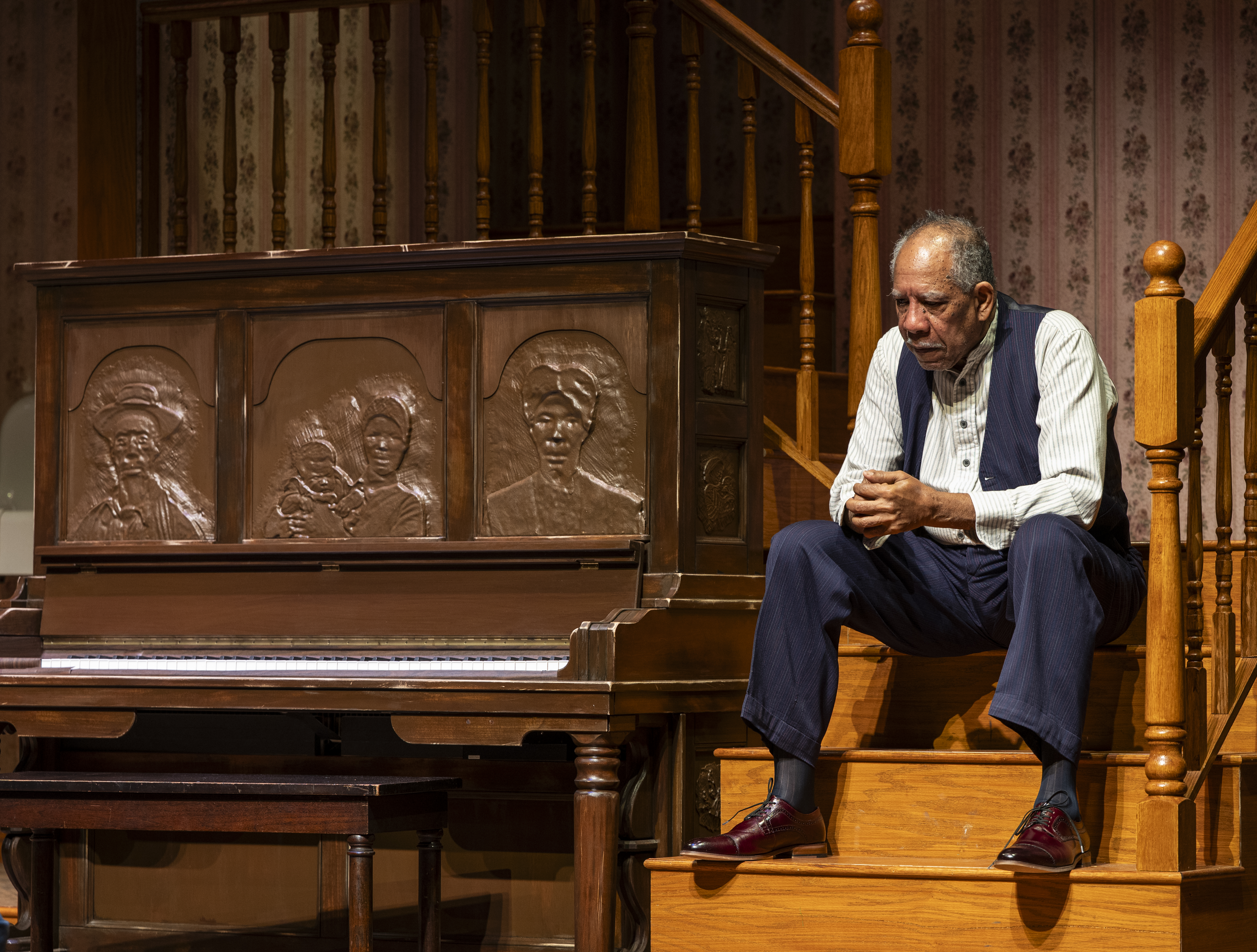
James Craven (Doaker Charles) inThe Piano Lesson (2026). Photo from co-production with Milwaukee Repertory Theater by Michael Brosilow.
SEVEN GUITARS, 1940s
In 1948, blues music echo throughout the Hill District. A group of old friends gathers to mourn and reminisce about Floyd “Schoolboy” Barton — a gifted guitarist whose star was on the rise and whose untimely death has irrevocably changed each of them.
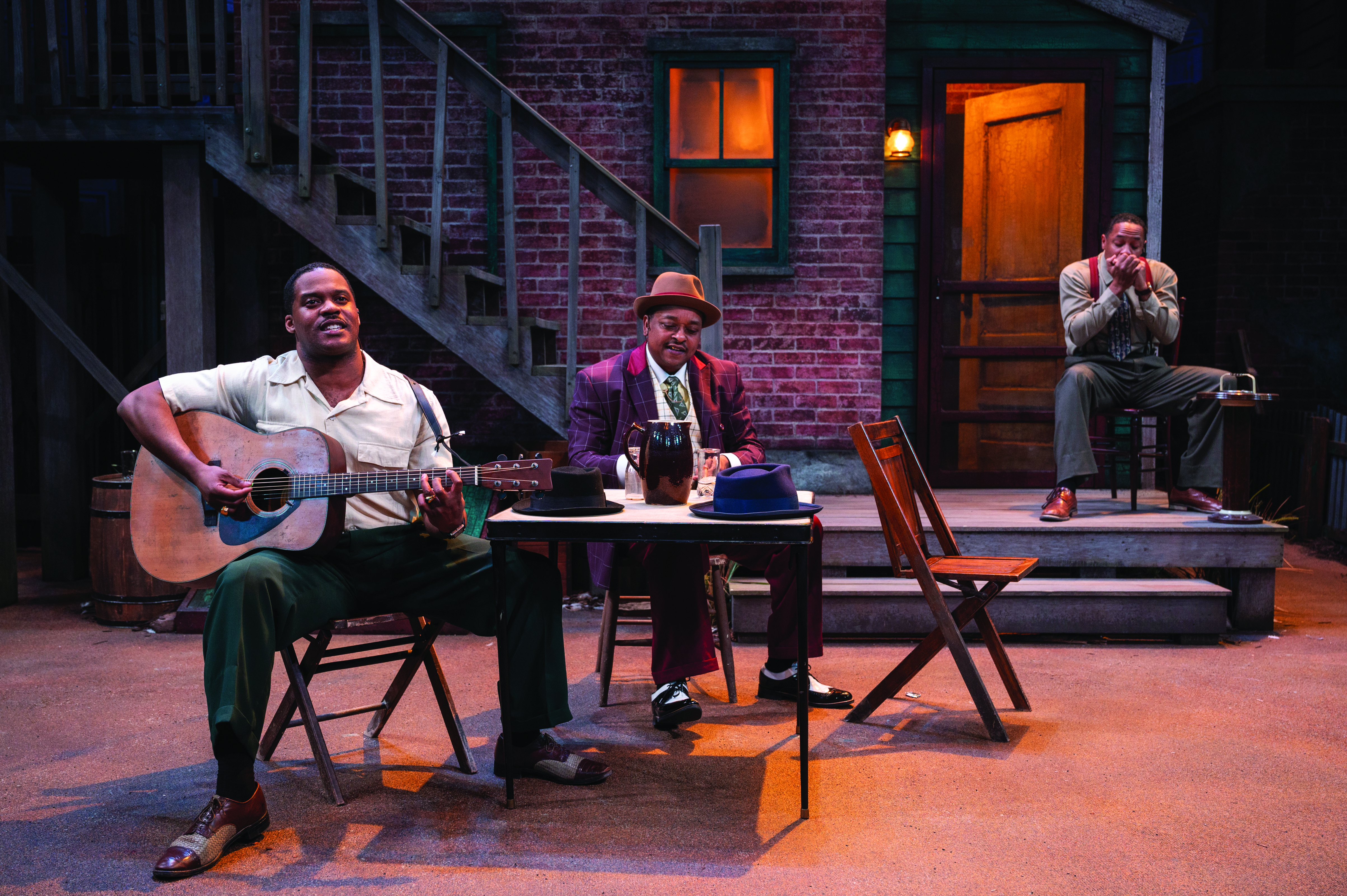 Dimonte Henning, Bryant Bentley, and Vincent Jordan in Seven Guitars (2023). Photo from co-production with Milwaukee Repertory Theater by Michael Brosilow.
FENCES, 1950s
In 1957, Troy Maxson, a former Negro Baseball League player, is a bitter man in his 50s who works as a garbageman. His frustration and disappointments in life affect his wife Rose and son Cory, who like his father, is a gifted athlete.
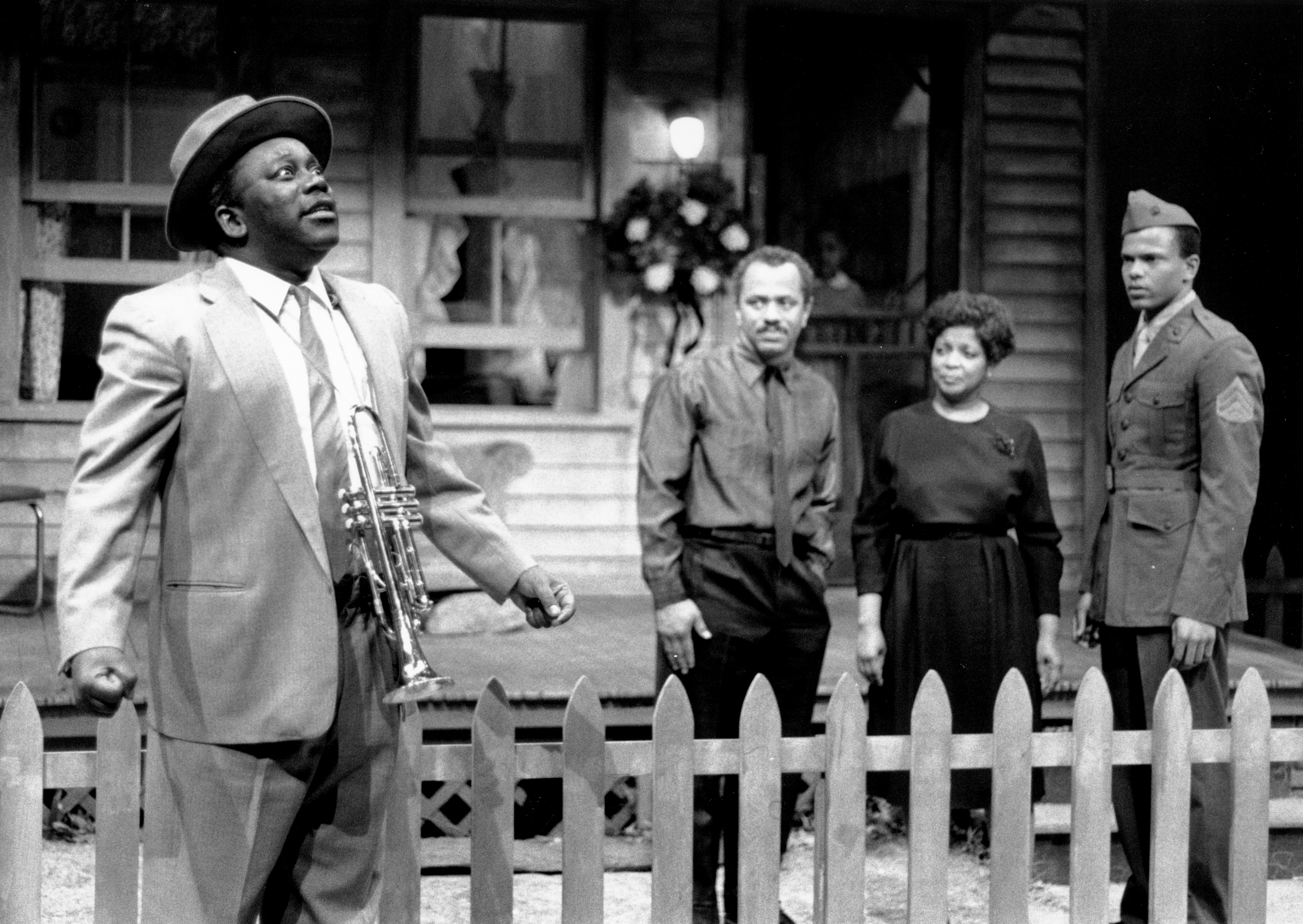 Robert Colston, Leo Finne, Vickie Thomas and Monti Sharp in Fences (1990). Photo by Sandy Underwood.
TWO TRAINS RUNNING, 1960s
Set in 1969, history unfolds around everyday lives against the backdrop of the civil rights movement. Long-time regulars gather at the local diner in Pittsburgh’s Hill District to gossip, flirt and play the numbers. Now Memphis, the owner, must decide whether to let the city take over his building or sell it to a shrewd, local businessman.
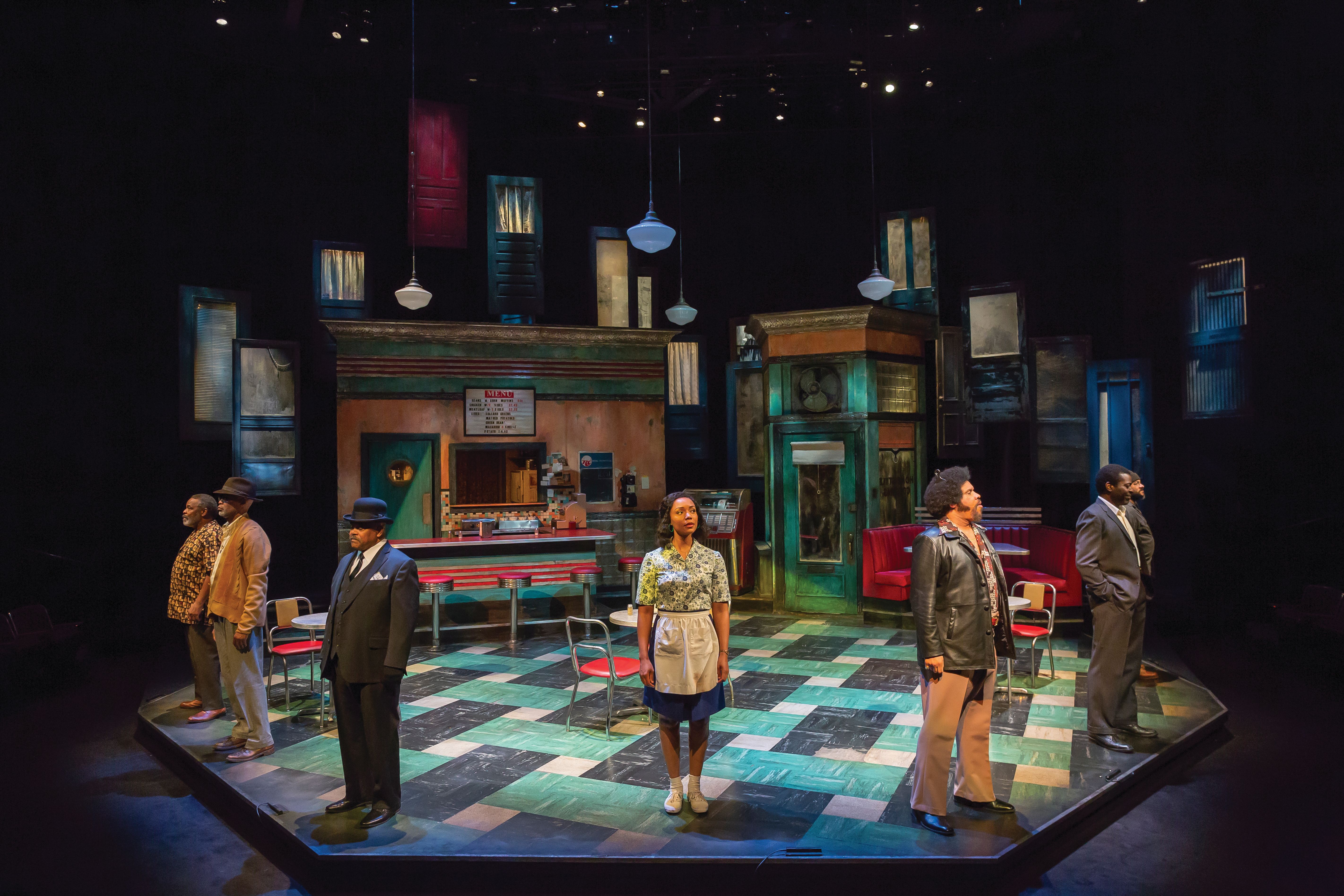 The cast of Two Trains Running (2019). Photo by Mikki Schaffner.
JITNEY, 1970s
Jitney follows a group of men who operate an unlicensed car service in Pittsburgh’s Hill District in 1977.
As they hustle to survive, they’re forced to confront the potential destruction of their community when the
city threatens to close their station and board up the block in the name of urban renewal.
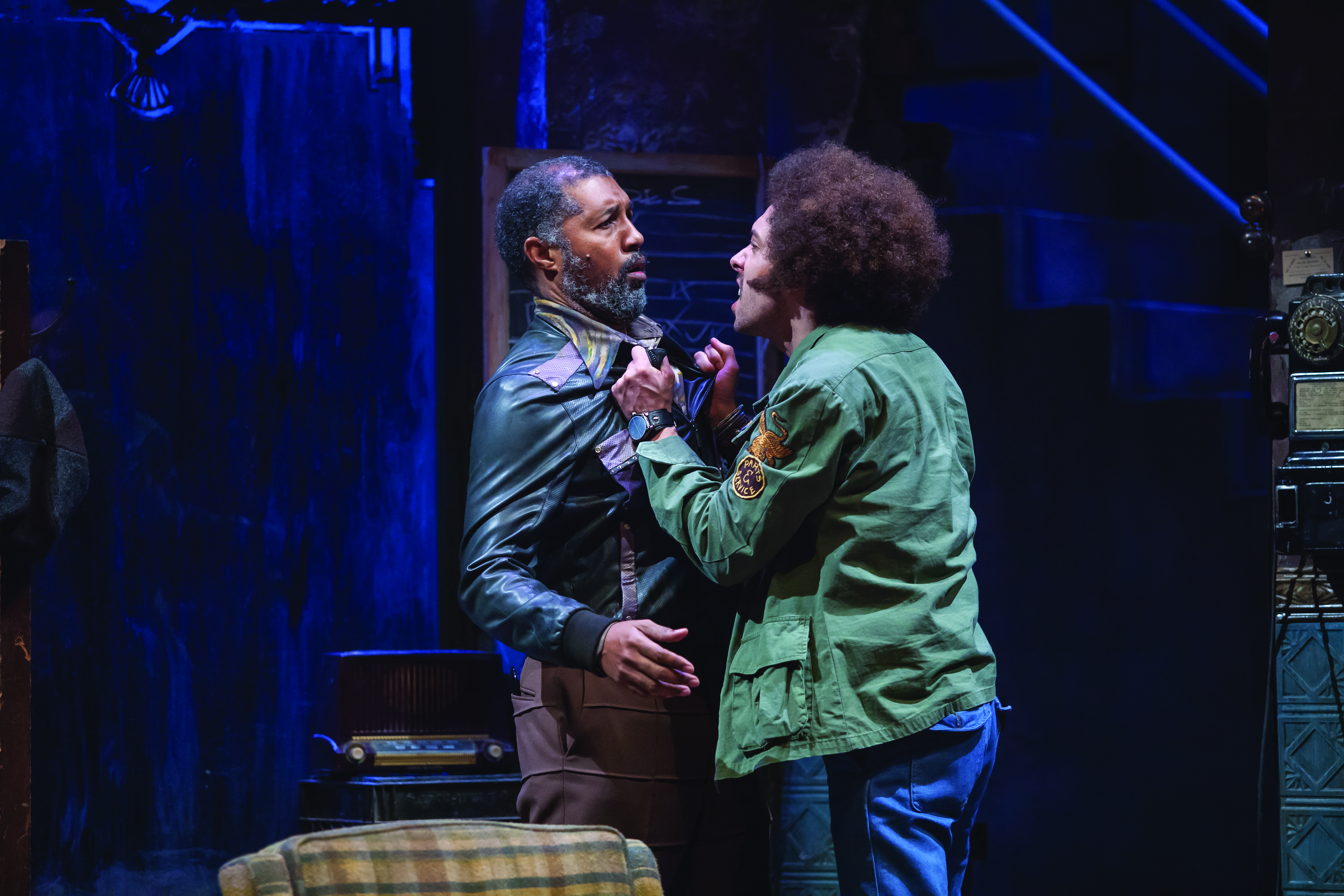 Dion Graham and Michael Kevin Darnall in Jitney (2016). Photo by Mikki Schaffner.
KING HEDLEY II, 1980s
Set in 1985, an ex-con tries to support a family and aims to get the money to open a video store by selling stolen refrigerators. Drawing on characters established in Seven Guitars, King Hedley II shows the shadows of the past reaching into the present as King seeks retribution for a lie perpetrated by his mother regarding the identity of his father.
RADIO GOLF, 1990s
Set in 1997, this play concluded Wilson’s American Century Cycle and is the last play he completed before his death. The home of Aunt Ester (the setting of the cycle’s first play Gem of the Ocean) is threatened with demolition that will make way for real estate development in the depressed area. Investors include Harmond Wilks, who wants to increase his chance of becoming the city’s first Black mayor.